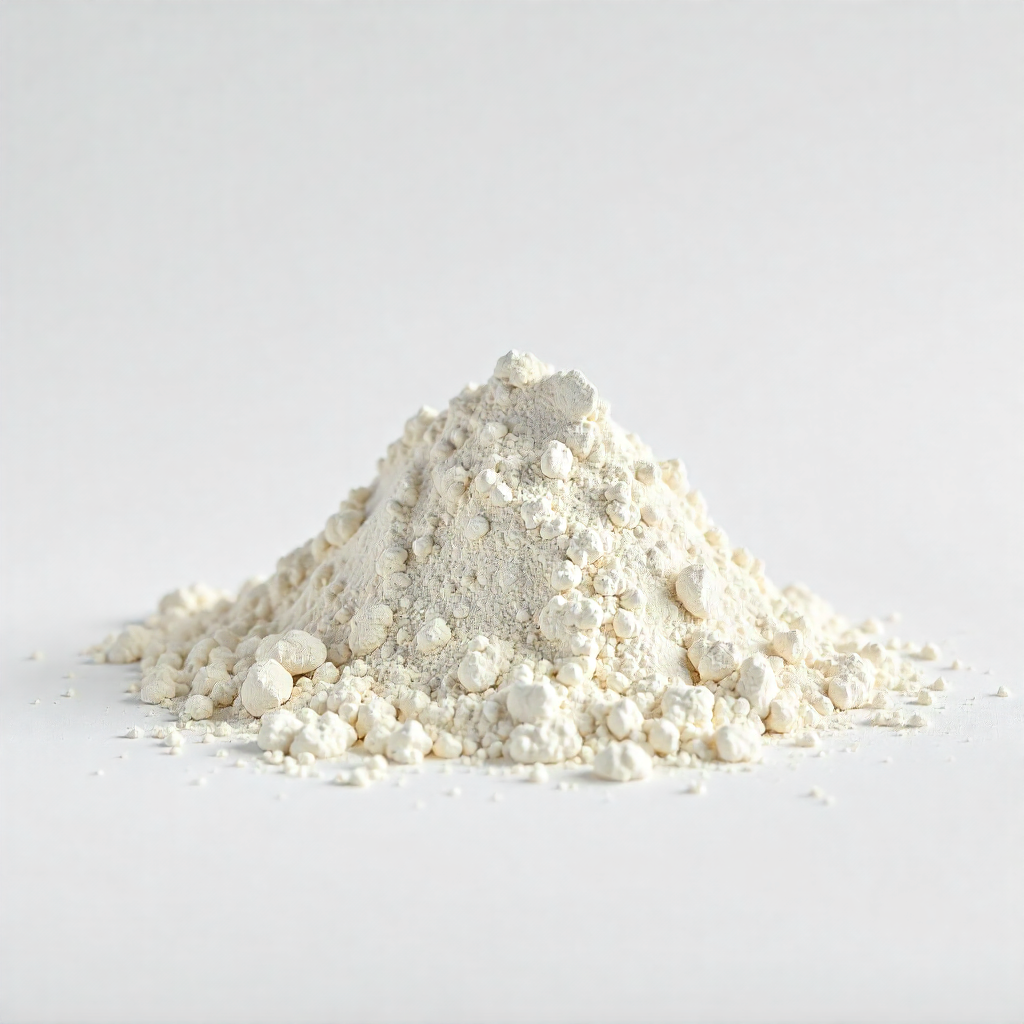
In the world of modern construction and interior finishing, Gypsum Plaster has emerged as a revolutionary alternative to traditional sand-cement plaster. Known for its smooth finish, easy application, and quick setting time, gypsum plaster has redefined the concept of wall finishing. It not only enhances the visual appeal of a structure but also provides long-lasting durability, strength, and protection to walls and ceilings.
Gypsum Plaster, also commonly known as Plaster of Paris (POP), is produced by heating natural gypsum (calcium sulfate dihydrate) to a specific temperature, which removes the water content and converts it into calcium sulfate hemihydrate. When mixed with water, it rehydrates and hardens to form a solid, smooth surface layer on walls and ceilings.
Unlike cement plaster, gypsum plaster requires no curing, which saves time, labor, and water — making it one of the most efficient and sustainable choices in modern-day construction. It can be applied directly on brick, block, or concrete surfaces, creating an even and crack-free surface ready for painting or decoration.
Gypsum plaster is composed primarily of calcium sulfate hemihydrate, which gives it its unique setting and hardening properties. Depending on its intended use, manufacturers may add special additives to enhance characteristics such as workability, setting time, adhesion, and strength.
The typical setting time of gypsum plaster ranges between 20–25 minutes, allowing sufficient working time while ensuring rapid completion. Once applied, it develops a hard, dense, and smooth surface that is resistant to cracks and shrinkage.