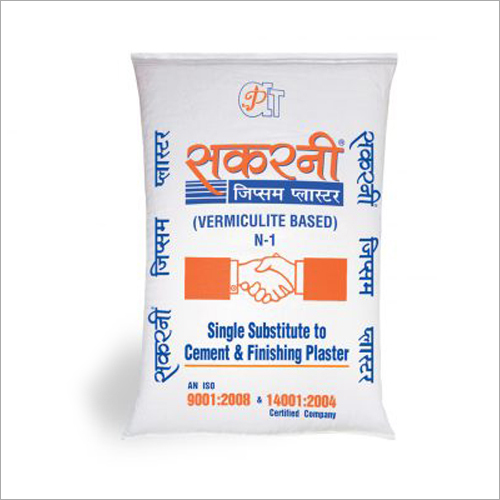
Vermiculite plaster is an innovative, lightweight plastering material that has gained widespread popularity in modern construction due to its multifaceted benefits. It is produced by combining vermiculite—a naturally occurring, expandable mineral—with cement, lime, or gypsum to form a unique plaster that is highly durable, fire-resistant, and environmentally friendly. Vermiculite itself is formed through the heating of mica-like minerals, which expand into tiny, accordion-shaped particles that trap air, giving the plaster its excellent insulating properties.
One of the key advantages of vermiculite plaster is its lightweight nature, which significantly reduces the load on walls and ceilings. This makes it an ideal choice for high-rise buildings and structures where weight management is critical. Despite being lightweight, the plaster maintains remarkable strength and durability, ensuring a long-lasting finish that resists cracking, flaking, and shrinking over time.
Vermiculite plaster also provides superior thermal insulation. The trapped air within its granules acts as a barrier to heat transfer, keeping interiors cooler during hot weather and warmer in cold climates. This contributes to energy savings by reducing the reliance on artificial heating and cooling systems. Moreover, its sound-absorbing properties help reduce noise pollution, making it suitable for residential complexes, offices, schools, and hospitals.
Moisture resistance is another hallmark of vermiculite plaster. It prevents dampness and mold growth on walls, ensuring a healthier living environment. The plaster also offers a smooth and even surface, which is ideal for painting and other decorative finishes. Additionally, it is eco-friendly and non-toxic, making it safe for indoor use while contributing to sustainable construction practices.